Aging Untold: How to spot warning signs of pressure sores and prevent them
(Aging Untold) — On this episode of Aging Untold, we uncover the hidden pain behind pressure sores and the critical steps to prevent them.
Plus, learn how a caregiving “pre-game plan” can help families avoid crisis and protect dignity.
Finally, meet two trailblazing friends who broke racial barriers at local bowling alleys, leaving a legacy that still inspires change.
How to spot warning signs of pressure sores and prevent them

Pressure sores, which are also known as bedsores, are painful and preventable.
Dr. Rhea Rogers, a board-certified physician, said early detection of pressure sores through regular skin inspection and keeping the skin clear are critical.
There are four main stages of pressure sores, Rogers said.
When healthy skin is pressed, it turns white as blood flow stops temporarily, then returns to normal color. Nonblanching skin signals compromised blood flow, Rogers said.
The Aging Untold experts share what you need to know about the risk factors and strategies to prevent them.
Why caregiving conversations should start before the crisis

Having a plan for care set up before a medical emergency saves money and reduces stress for families.
“When you have someone that’s had a fall and you don’t have a plan or they have a hospital event and you don’t know what’s going to happen next, then you’re calling up an agency and you’re spending the big bucks to get 24-hour support in because you didn’t have your ducks in a row,” Sam Cradduck, a gerontologist, said.
She said pre-planning allows older adults to remain in control of their own care decisions rather than having choices made for them during a crisis.
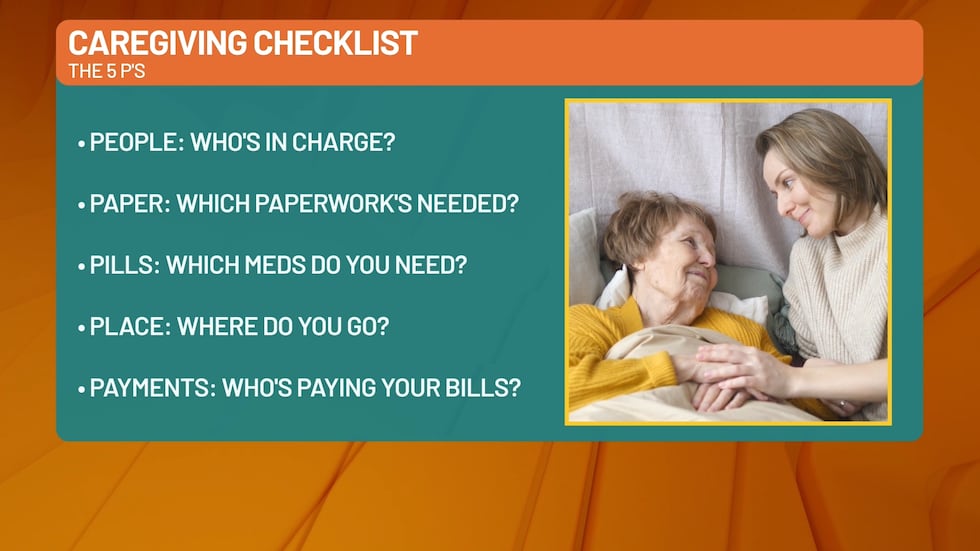
The Aging Untold experts are sharing tips for starting the conversation, the five P’s of caregiving planning and a checklist to get you started.
Do you really need to go gluten-free?

When you are at the grocery store, you will see shelves full of gluten-free products.
They reflect the popularity of a diet that cuts out the protein that is found in grains such as wheat, barley and rye.
Many food products contain it, including bread, pasta, baked goods and cereal.
But experts say most people do not need to avoid gluten for medical reasons.
Meet the men who fought to integrate bowling alleys in 1960s
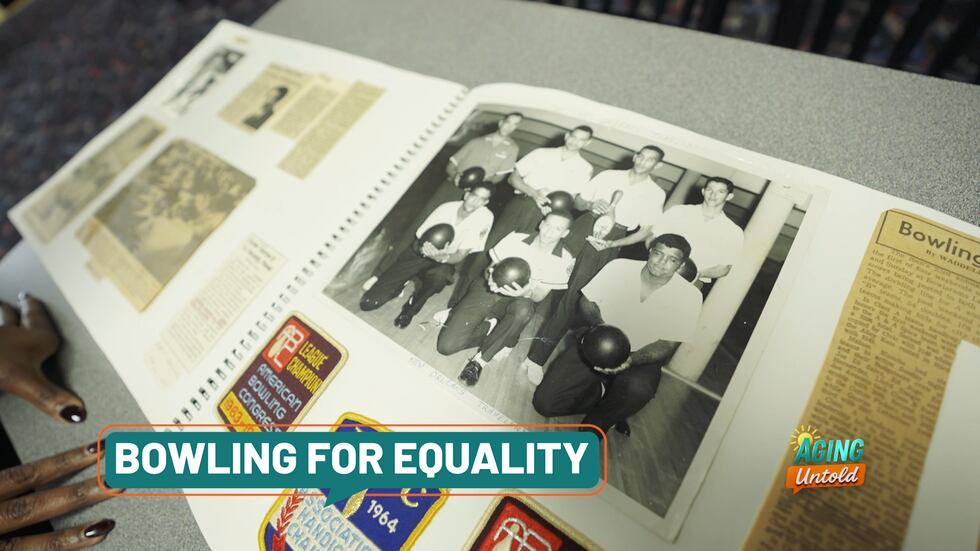
Alden McDonald and Walter “Woody” Woodruff, who are now in their 80s, witnessed history and worked to change it during the civil rights era.
McDonald, Woodruff and others formed the New Orleans Travelers Bowling League. They traveled to bowling alleys in states where facilities were integrated, but could only bowl on certain lanes.
McDonald and Woodruff began challenging segregation at local bowling alleys. Their efforts eventually led to equality as more businesses opened their doors to all.
Copyright 2026 Gray Media Group, Inc. All Rights Reserved.